

Dry Needling & Physical Therapy: Targeted Support for Pain Relief and Better Movement
What is dry needling?
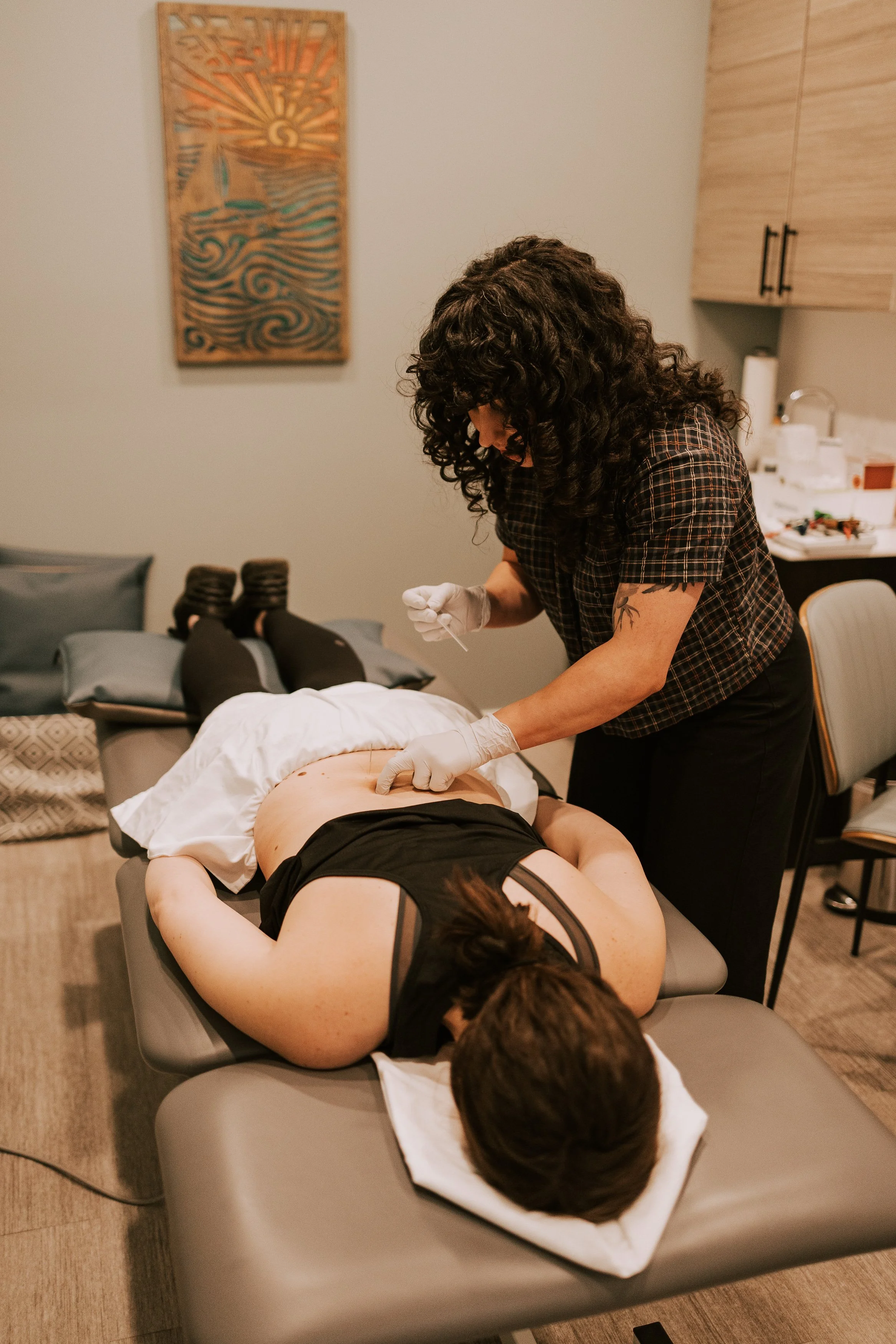
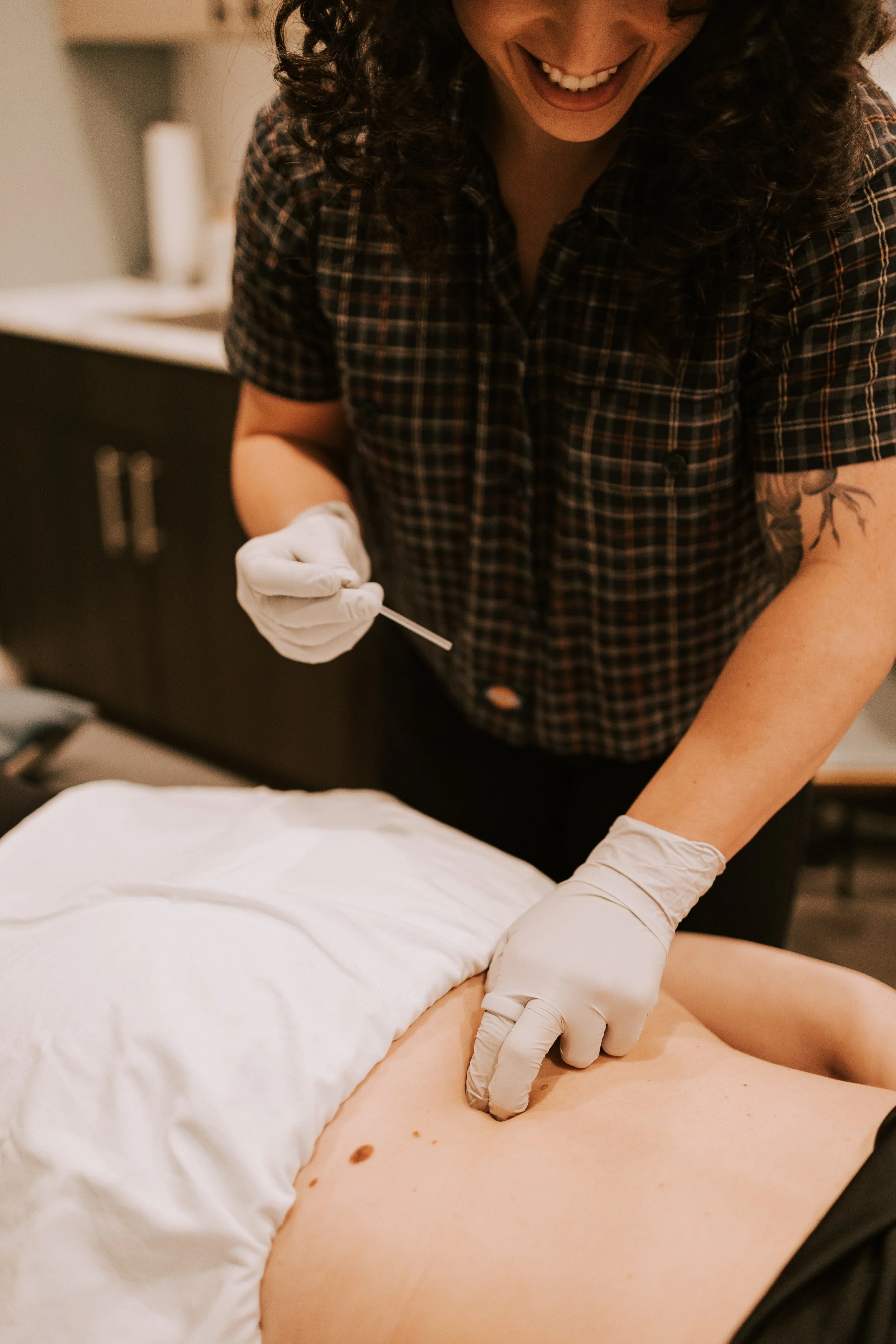
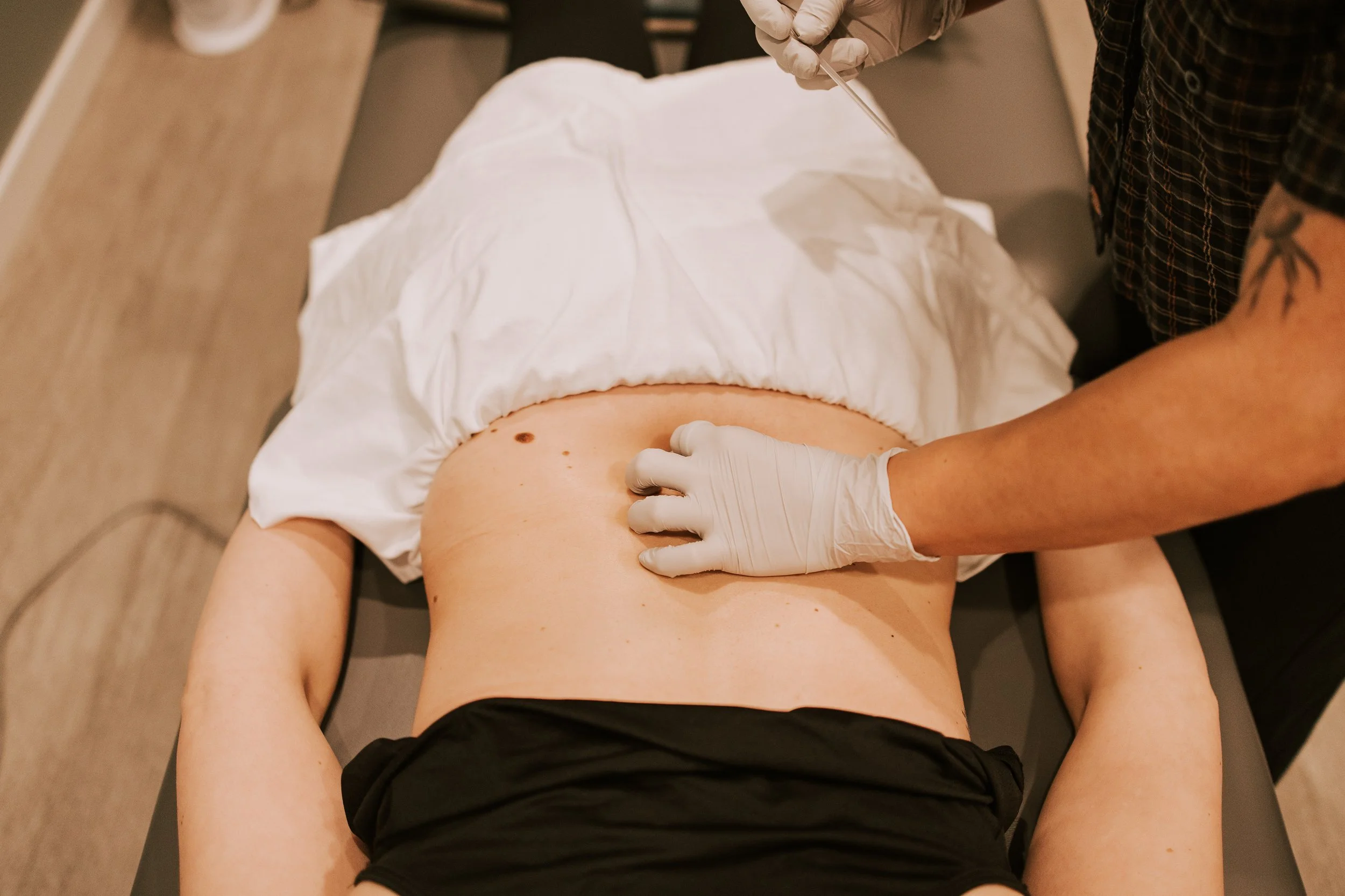
Dry needling is a specialized technique often used as part of a broader physical therapy treatment plan. It involves the insertion of a sterile, thin needle into specific muscles or trigger points to address pain, reduce muscle tension, and improve movement.
Important Note:
Dry needling is not acupuncture. While both involve the use of needles, dry needling is based on a distinct medical diagnosis and practice model, specifically targeting musculoskeletal pain and dysfunction. It is typically incorporated into a comprehensive physical therapy approach, which also includes other treatments like manual therapy, exercise, and education to improve overall function and well-being.
How Does Dry Needling Fit Into Physical Therapy?
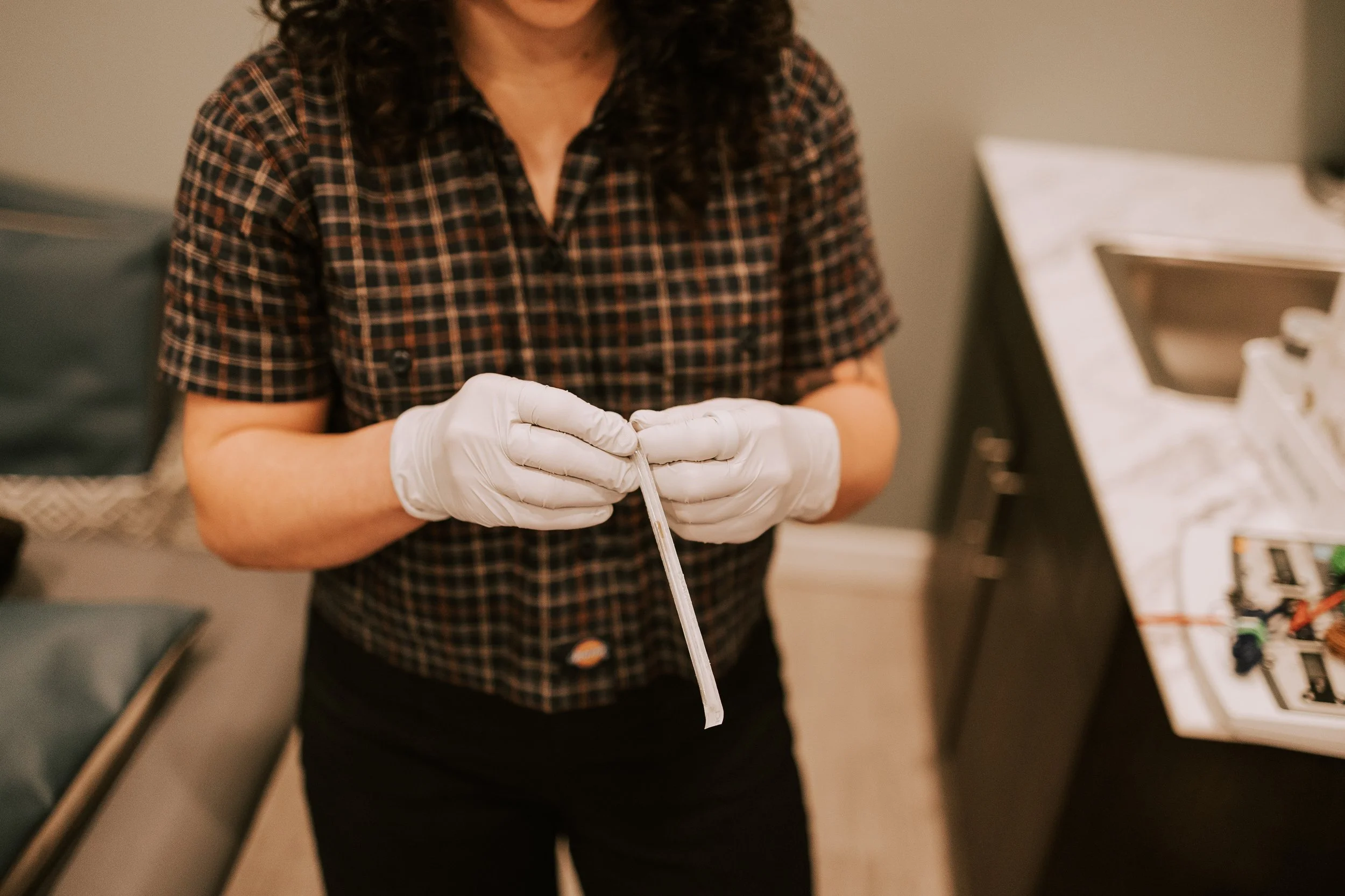
Dry needling is just one of many techniques that physical therapists use to help patients recover from injuries, reduce pain, and restore function. It’s often part of a personalized treatment plan that may include:
-
Hands-on techniques such as joint mobilization or soft tissue manipulation to improve movement.
-
After dry needling, gentle movement and exercise are important to help your body integrate the changes made during the session.
Moving the targeted muscles encourages circulation, reduces post-treatment soreness, and supports the release of tension. It also helps reinforce new movement patterns and improves muscle activation, making the effects of dry needling more lasting and functional.
-
Teaching patients about body mechanics, posture, and strategies for managing pain at home.
When combined, these treatments work together to address the root causes of pain and movement impairments, rather than just masking symptoms.
What Are the Therapeutic Benefits of Dry Needling?
Dry needling is effective in providing several benefits, especially when used in conjunction with other physical therapy treatments. Some potential benefits include:
-
Helps reduce pain by stimulating the body’s natural pain-relief mechanisms.
-
Reduces excessive neuromuscular tone, helping to ease tight muscles and improve flexibility.
-
Enhances the way nerves and muscles work together, which can lead to better strength, coordination, and movement patterns.
-
Boosts circulation and oxygen delivery to damaged tissues, aiding the healing process.
-
Promotes better circulation to improve tissue health and remove waste products from muscles and joints.
-
Helps to relax overly contracted muscles, increasing range of motion and comfort.
-
Stimulates the nervous system to support the body’s healing processes.
-
Encourages the clearance of toxins and metabolic waste from the body.
-
May help rewire the brain’s response to pain, improving motor function and pain perception over time.
After a dry needling session, it’s common to experience some mild soreness or discomfort in the treated area. This is a normal response as your muscles and tissues adjust. To make the most of the treatment and reduce soreness, it’s a great idea to engage in gentle movement. Stretching, walking, or light activity can help increase blood flow and enhance the effects of the dry needling session. It’s important to listen to your body and avoid overexerting yourself, but moving can assist in speeding up recovery and improving mobility.
What to Expect After a Dry Needling Session?
Why Include Dry Needling in Your Physical Therapy Plan?
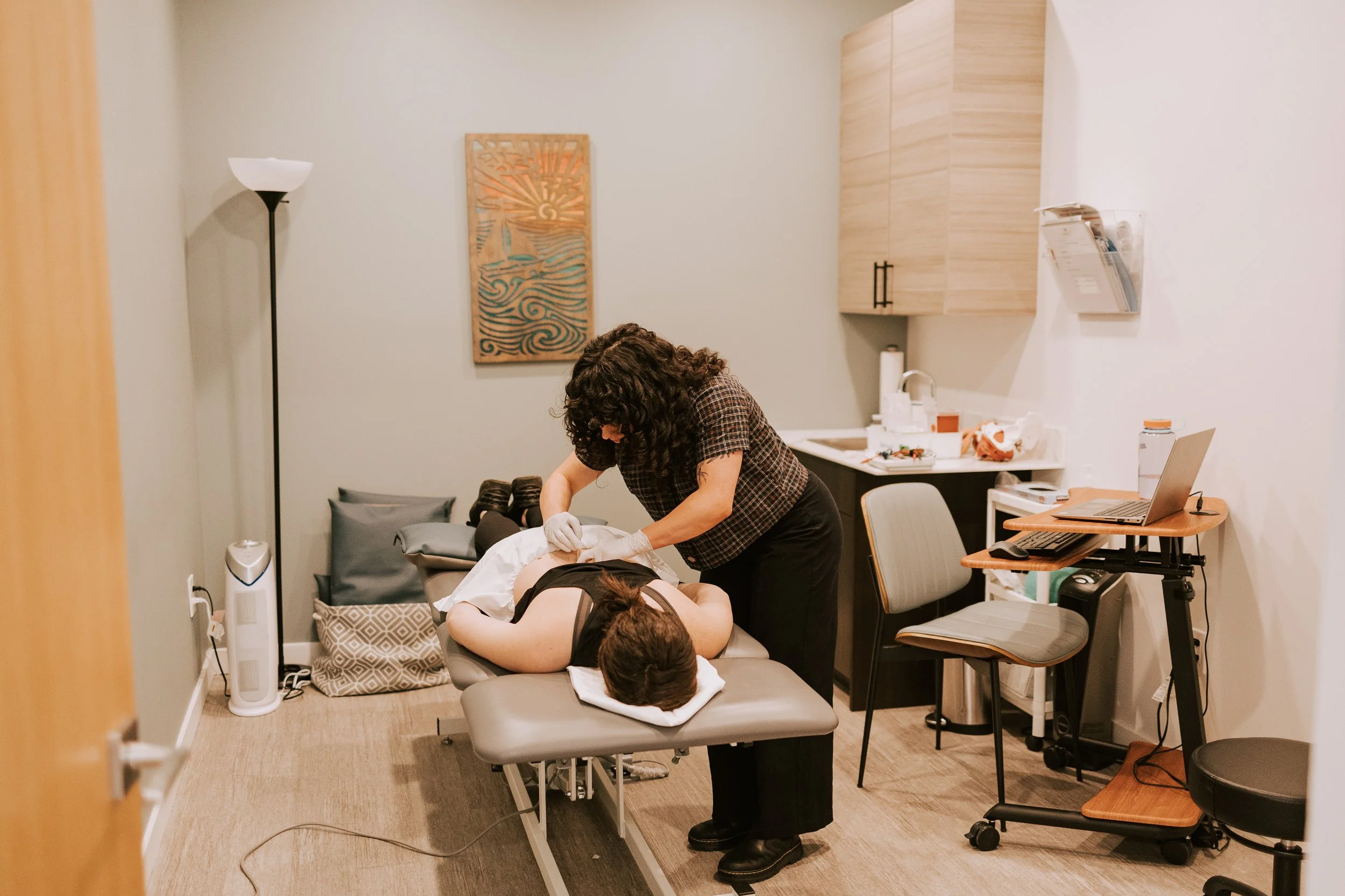
Dry needling can be a valuable tool in addressing various musculoskeletal conditions, including chronic pain, muscle tightness, and movement impairments. When combined with other physical therapy interventions, it can help you achieve a more complete recovery and restore your quality of life. If you're experiencing pain or limited mobility, talk to your physical therapist to see if dry needling is right for you as part of a tailored treatment plan.